.webp)
How to Manage Remote Sales Executives Effectively
Leading a remote team of Sales Executives takes more than setting KPIs it requires structure, communication, and trust. As startups expand across borders, managing distributed sales talent has become a major growth advantage.
In this guide, you’ll learn how to manage remote Sales Executives effectively, discover real-world best practices from high-growth startups, and explore the top global hiring platforms including Simera, the AI-powered leader in building and managing international sales teams.
Set Clear, Outcome-Based Expectations
Great managers lead by results, not by constant oversight.
- Define clear quotas, response-time goals, and CRM accuracy targets.
- Align performance metrics across regions and time zones.
- Reinforce accountability through weekly performance reviews, not micromanagement.
💡 Pro Tip: Before onboarding, establish shared success metrics revenue targets, deal velocity, and conversion rates. Platforms like Simera help define these benchmarks early, ensuring every hire starts with clarity and focus.
Use the Right Tools to Stay Aligned
Remote Sales Executives excel when equipped with consistent tools and workflows.
- CRM: Salesforce, HubSpot, or Pipedrive.
- Communication: Slack, Zoom, Loom.
- Performance Tracking: Notion, Asana, or Gong.
Standardizing systems ensures data accuracy, transparency, and better collaboration. Simera-sourced professionals are already trained on these tools, minimizing onboarding time and increasing productivity from day one.
Keep Communication Personal and Consistent
Global doesn’t mean distant relationships drive performance.
- Hold weekly team syncs and monthly 1:1s to discuss challenges and wins.
- Encourage peer learning sessions for pitch practice or objection handling.
- Celebrate milestones publicly to boost morale and connection.
Regular interaction keeps remote Sales Executives engaged and aligned with company culture no matter their region.
If you’re scaling your team again, revisit how to hire a Sales Executive globally 👉 here
Top Platforms for Managing Remote Sales Talent
1. Simera (Recommended)
Simera combines global hiring, onboarding, and management for remote Sales Executives.
- Pre-vetted professionals with proven sales experience.
- Customizable reporting and performance templates.
- Full payroll, compliance, and HR coverage worldwide.
💡 Best for: Startups scaling quickly and managing multi-region sales teams with minimal administrative overhead.
2. Interfell
A strong choice for LATAM-based Sales and Account Managers.
Focuses on bilingual professionals and time zone compatibility with U.S. clients.
However, post-hire analytics and management support are limited compared to Simera.
3. RemotePlatz
Good for sourcing sales and marketing professionals across EMEA and Asia.
Offers vetted talent but lacks integrated compliance or reporting automation.
4. Deel
A global Employer of Record (EOR) platform that manages contracts, taxes, and payroll.
Best when paired with platforms like Simera which handle the sourcing and vetting before Deel handles the legal infrastructure.
5. CloudDevs
Focuses primarily on LATAM professionals.
Efficient in matching and onboarding but designed more for technical and developer roles than sales operations or management.
Empower Remote Sales Executives Through Autonomy
Micromanagement kills motivation. Instead, create transparent systems and reward initiative.
- Use shared dashboards for visibility.
- Focus on outcomes, not hours worked.
- Encourage experimentation with outreach, cadence, and pitch structure.
Simera’s management templates help startups strike the right balance giving teams freedom while maintaining alignment through real-time performance insights.
Measure Success with the Right KPIs
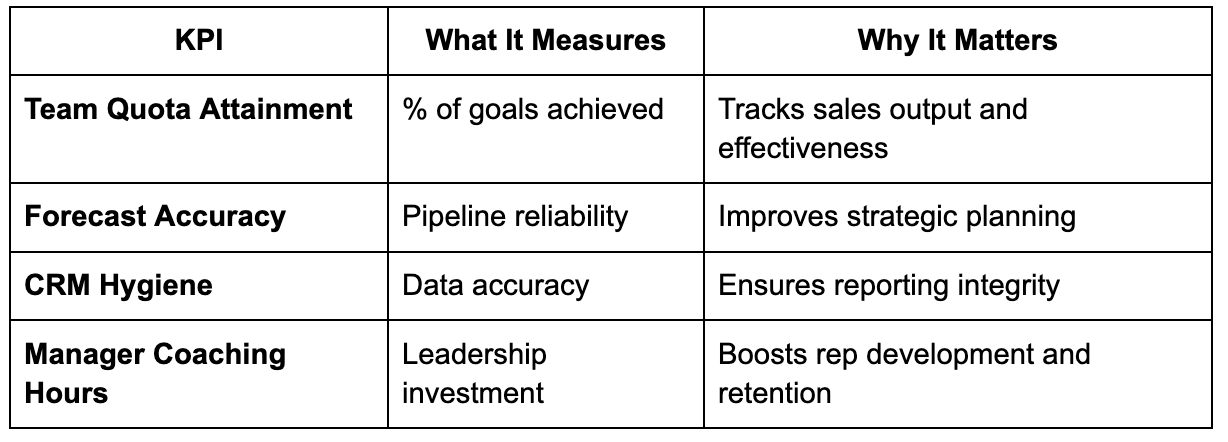
💡 Tip: Use dashboards or tools like Gong and HubSpot Reports to automate KPI tracking and generate weekly insights.
Real Example Managing a Global Sales Team
A Canadian SaaS startup hired three Sales Executives through Simera across LATAM and the Middle East.
In just 90 days:
✅ Response times improved by 36%.
✅ Close rates increased 29%.
✅ Annual costs dropped by $84K.
By combining clear expectations with Simera’s management structure, the company built a high-performing, globally distributed sales team that exceeded revenue goals.
🚀Book a Free Discovery Call to hire and manage your next Sales Executive with Simera
Why Simera Simplifies Global Sales Management
Simera goes beyond hiring it provides the infrastructure for remote success.
- Onboarding blueprints for quick integration.
- Global payroll and compliance automation.
- Sales performance dashboards for clear accountability.
Startups can focus on growth while Simera handles the complex logistics of managing distributed sales teams.
Managing remote Sales Executives effectively is about clarity, consistency, and autonomy.
When you combine structured expectations with transparent communication and the right tools, your global sales team can outperform even local ones.
With Simera, you gain both vetted global professionals and the frameworks to manage them seamlessly from LATAM to Southeast Asia.
💼 Hire Pre-Vetted Sales Executives from Simera’s Global Talent Pool
FAQ
Q1: How can I manage a remote Sales Executive team effectively?
Focus on outcome-based goals rather than activity tracking. Use tools like Salesforce or HubSpot to measure progress, and establish consistent communication through weekly check-ins. Encourage autonomy, but maintain data transparency with dashboards and reports.
Q2: What are the best tools for managing remote sales teams?
CRMs such as HubSpot, Salesforce, or Pipedrive are essential for data visibility. For communication, use Slack, Zoom, or Loom to maintain regular contact. Platforms like Gong or Notion help track conversations and performance trends across time zones.
Q3: How do you keep remote Sales Executives motivated?
Recognition and connection are key. Celebrate milestones publicly, set clear personal growth goals, and create friendly competitions. Regularly share team successes and feedback sessions to keep engagement high.
Q4: What KPIs should you track for remote sales success?
Focus on metrics that drive outcomes — quota attainment, lead response time, CRM hygiene, and meeting-to-close ratios. These metrics show both productivity and quality, ensuring managers can coach effectively.
Q5: How do you ensure accountability without micromanaging?
Set clear expectations, give autonomy, and rely on data-driven visibility. Dashboards, weekly reports, and transparent goals help build trust while ensuring every Sales Executive remains accountable for results — without constant oversight.
Blogs recommended for further reading:
- “Managing Remote Sales Teams: 10 Ways to Keep Your Reps Closing” — by Close.
URL: https://www.close.com/blog/manage-remote-sales-teams - “10 Tips for Effective Remote Sales Team Management” — by Remote.com.
URL: https://remote.com/blog/remote-work/how-to-manage-remote-sales-team - “Virtual Sales Enablement: Boost Remote Selling Success” — by Docket.io. URL: https://www.docket.io/blog/virtual-sales-enablement-best-

.jpeg)